
The Question That Closed the Door
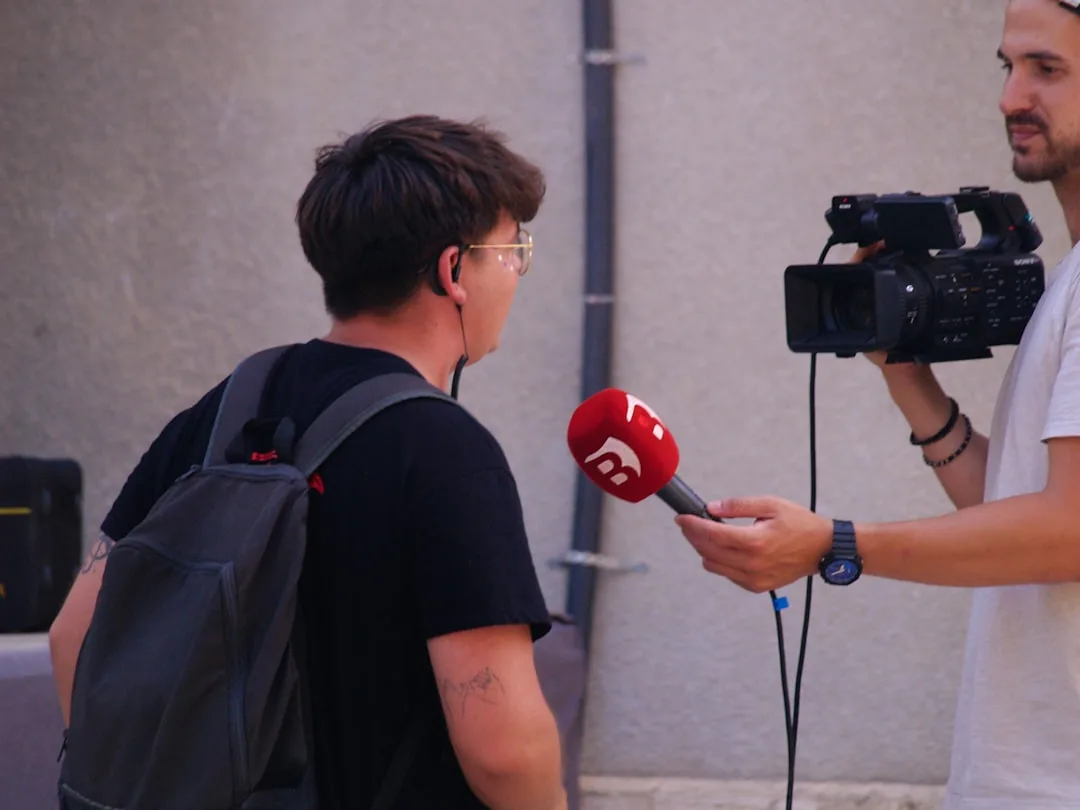
Time was short, and he had one hour with the man.
So he decided not to waste it on preliminaries, and opened with the question he'd come for: why did you leave home?
The man went quiet, said one short sentence, then went quiet again.
And the rest of the hour went like that: open questions and closed answers, and a subject sitting upright waiting for the filming to end.
The man wasn't reserved by nature. He'd talked plenty before the camera was on, laughed, told stories nobody had asked him for.
The problem is that the first question put him on the defensive before he'd got used to the camera, so everything after it was a confrontation.
Had the interviewer started with an easy question and spent ten minutes on general explanation, the same question would have arrived at minute thirty, and found an open door.
What Do You Write in a Script You Only Half Know?
In a voiceover script you write every word. In an interview you write only half the conversation: your questions, their order, and your intention behind each one. The other half comes from the subject, and if you knew it in advance you wouldn't need to film it.
So the script here is a map rather than a text: it defines where you want to arrive and leaves the route open.
The Structure of an Interview Script
The Opening Question
Not your most important question, your easiest. Its purpose is for the subject to get used to the camera and to their own voice, not to detonate a revelation. Ask about something they know completely: what they do daily, or how they started.
The General Themes
Move into your subject through its widest door: context, history, description. At this stage the subject is explaining, and explaining is easier than confiding.
The Personal Themes
Here you ask about the experience rather than the information: what did you feel? When did you think about stopping? What do you regret?
And don't start here however tempting a short schedule is, because trust is built by sequence. Which is exactly what went wrong at the top of this article.
The Climax Point
One question you know is the heart of the whole film. Write it in its precise wording, because you'll need calm when you reach it, and don't ask it before the atmosphere has settled.
The Closing Question
A question that leaves the subject in a good place: what do you hope for? Or what would you say to someone going through what you went through? It's often what the film ends on.
Write Your Follow-Ups Before Filming
The common mistake is writing a list of main questions only, so you accept a shallow answer and move on.
Write two follow-ups under each main question: "why?" and "tell me about one particular day". Specific details are what make a scene, not general answers.
Rules for Phrasing a Question
Open rather than close: "what was that like?" beats "was it hard?", because the second is answered with a yes.
One question at a time: a compound question makes the subject answer half and forget the rest.
Don't suggest the answer: "you must have been scared" puts your words in their mouth.
And allow silence: most of the deepest answers come after the two seconds of silence an interviewer rushes to fill.
Cards Suit an Interview Better Than a Document
Each theme on its own card makes reordering possible during filming: if the subject opens up early, you jump to the climax card; if they're guarded, you go back to the general themes.
And that flexibility is what the interviewer at the top of this article was missing. The card structure is covered in: how to write a YouTube video script in Bardiyah, step by step.
After Filming: The Second Script
An interview produces a second script you didn't write: the subject's words.
Choose the passages you'll use, arrange them into new cards, then write the voiceover that connects them. Now you have a complete script, written after the filming rather than before.
Before You Film
Read your questions aloud once. A question you stumble over will trip you up in front of the subject.
And if you find a question you don't know why you're asking, delete it, because the subject's time is limited, and every purposeless question takes the place of one with a purpose.