
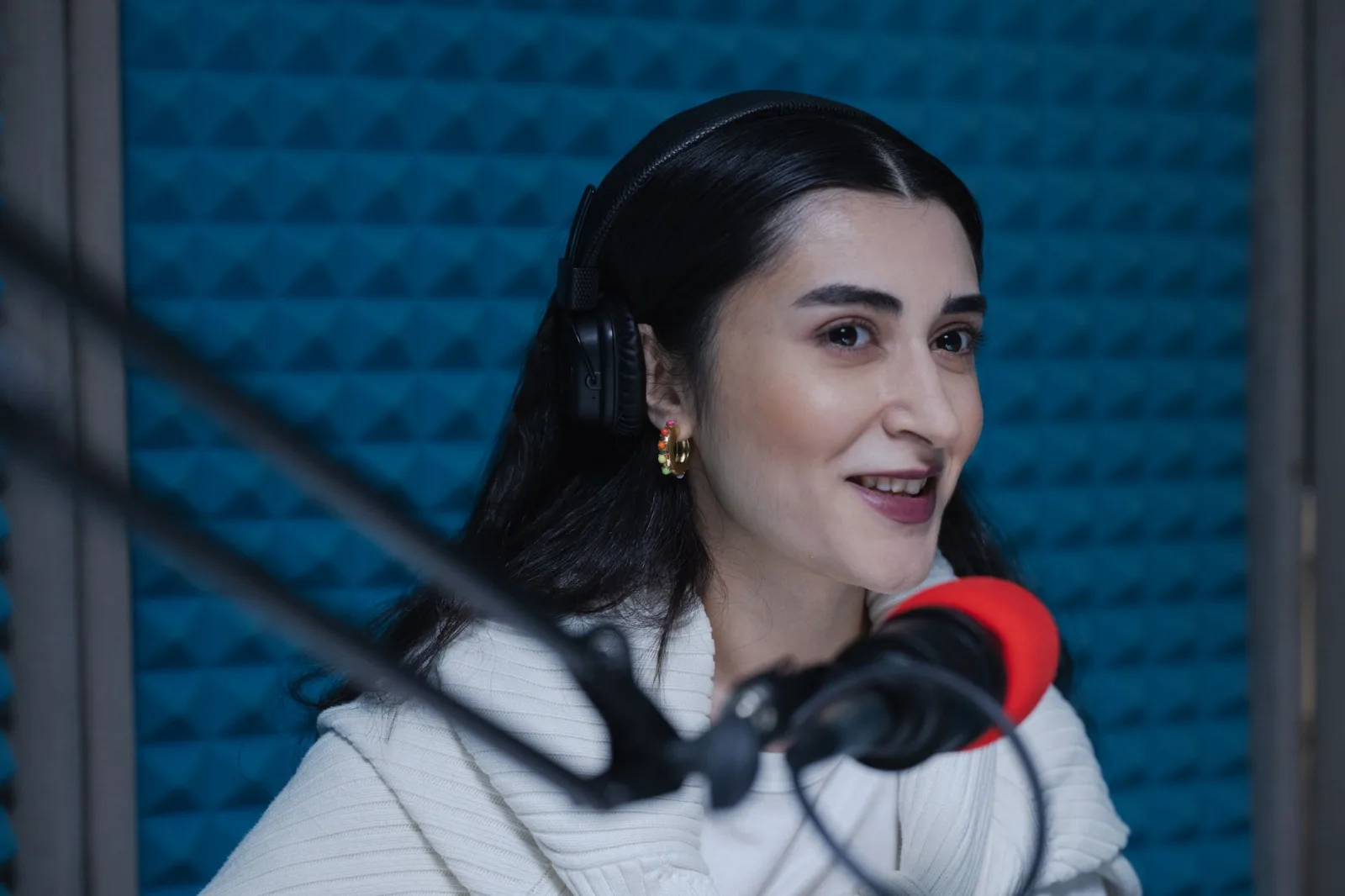
They invited him as a guest on a podcast with two hundred thousand followers. He recorded ninety minutes of good conversation with them and left the studio certain his channel was about to change.
The episode went up and took a hundred thousand views. The following week he looked at his analytics and found eleven new subscribers.
Size was not the problem. The problem was three things: the podcast's audience was not his audience, in ninety minutes he never said one clear sentence about who he serves, and there was no reason for anybody to leave the episode and go to his channel.
What guesting actually gives you
- Credibility. People seeing you as a guest somewhere they follow changes your standing with them, which helps with collaborations and with paid work.
- Relationships. The host themselves, and the other creators who hear the episode.
- A new audience, on one condition. That the episode's subject is your subject, and that its listeners are looking for what you make.
- Material for you. A clip or two to publish with the host's permission.
What it does not give: an unconditional boost to your channel. A guest appearance is not an advert but a door, and it needs your house to be ready behind it.
Choosing: overlap, not size
A show three thousand people listen to, all of them interested in making video, gives you more than a general show with three hundred thousand listeners.
Three questions before you accept or ask:
- Are its listeners looking for what I make? Read the comments on its episodes.
- Are its episodes watched to the end? A show full of talk nobody finishes moves nobody to you.
- Has any previous guest gained anything? Look at former guests' channels.
And if your audience has not settled yet, the nearest and cheapest route is to start close to home, as in Where Do Your Channel's First Hundred Subscribers Come From?.
How to get invited: do not ask for a slot
A message saying "I would love to be a guest on your show" gets read and forgotten. The message that gets answered offers a ready-made episode:
"Hello, I am [your name] from the channel [name and link]. I listened to your episode about X, and noticed the question of Y was left unanswered. I can carry forty minutes on [the subject], and I have three things few people talk about: [1], [2], [3]. Here is a clip where you can hear me speak: [link]. Would that suit you?"
What makes that message work: you handed them an episode's content rather than a request, you relieved them of the question "can he talk?" with an audio sample, and you named what you have that others do not.
What you attach if they ask for details is the same page you send to brands, structured as in Your channel's media kit for brands.
Your preparation: three written things
1. One sentence about who you serve. "I help people filming on a phone get clean audio." That sentence is the same one that serves every decision on your channel, and how to write it is in Who are you making videos for?.
2. Three stories rather than three lists. A story gets passed on; a list gets forgotten. One about a failure, one about something you tried in the field, and one about something you changed your mind on.
3. One specific thing for the description. Not "follow me", but a checklist, or one particular video that solves a problem mentioned in the episode. And agree it with the host before recording rather than after.
In the episode itself
- Take care of your own audio. A close mic and a quiet room, because an episode where the guest sounds bad does not travel.
- Do not monopolise the talking. You are a guest inside a ready-made structure, not a stand-in presenter.
- Mention your channel twice without wedging it in. Once naturally, when you say where your experience came from, and once at the end in one specific sentence.
- Respect the show's format. Do not turn it into a pitch for your product, and do not quote your prices.
- Give the best you have. The episode a listener takes something useful from is the only kind that makes them go looking for you.
After it goes up: prepare the house
Most people arriving from an episode do not land on a video but on your channel page. So review it before the episode is published: the pinned video, the order of the playlists, the channel description. How to do that is in Your channel page and playlists.
And do three things in the first week:
- Publish a clip from the episode with the host's permission, with a link to the full thing.
- Thank the host publicly, and send them a message with one observation about what you liked in their episodes. That message is the seed of the next relationship.
- Reply to whoever arrives from the episode and asks something in your comments; those people are the door.
How to measure honestly
Do not measure by subscribers alone. Look at traffic sources in your analytics, at "new viewers" in the week the episode went up, and at the retention of whoever arrived from it.
Ten subscribers who watch every video beat a hundred who watch half a minute. And if nobody came, ask: was the overlap real? Did I say a clear sentence about who I serve? Was there something specific in the description?
And do not build a growth plan on guesting alone, since it is one door among several. A channel stuck at one number is a different case, diagnosed in Your channel has stopped growing: how do you read the plateau?.
And when to decline
- A show with no overlap with you, however large.
- A host who wants the episode to be a promotion for their own product.
- An exclusivity condition keeping you off other shows for a long period.
- Recording conditions that will embarrass you: a noisy place, a subject you do not know, or questions you agreed to avoid and that then get opened.
If you would be going on camera unprepared, declining a date is kinder than an episode that gets published while you wish it had not.
And after a year
The best thing guesting brings is not subscribers but your name being mentioned in your field. That comes from limited repetition: three or four episodes a year in places that overlap with you, rather than twenty episodes everywhere that invites you.
And anyone wanting a deeper relationship with the people who heard them has a next step in a small in-person meetup, whose method is in Meeting your audience in person.