
Two Excellent Hours, and No Usable Episode
You sat down in the room, hit record, and talked for two hours.
And it was excellent while you were inside it. You both laughed twice, your guest said something you didn't know, and you felt as you said goodbye that you'd come away with something real.
The next day you opened the file to start editing.
And half an hour later you closed it.
The audio echoes because you sat in a near-empty room. You're saying "yeah" and "right" over half of what your guest says. The conversation circles the same ground three times because neither of you knew where you were going. And in two hours there isn't a single clear theme you could put in a title.
So now you have two hours of talking, and no episode.
What Makes a Podcast a Different Form
Every other format gets written before filming. A podcast gets planned and never written.
And there are three fundamental differences.
The pace is deliberately slower. A scripted video cuts every spare second. In a conversation, the pause and the hesitation are part of its honesty.
Length isn't a flaw. A podcast audience is looking for long company rather than a quick answer.
And listening outranks watching. Most people who follow one are listening while driving, walking, or working.
And that last difference changes every production decision you make.
Audio Before Picture, by a Long Way
If you have one budget, spend it on sound.
A viewer forgives mediocre picture. Nobody forgives tiring audio for a full hour.
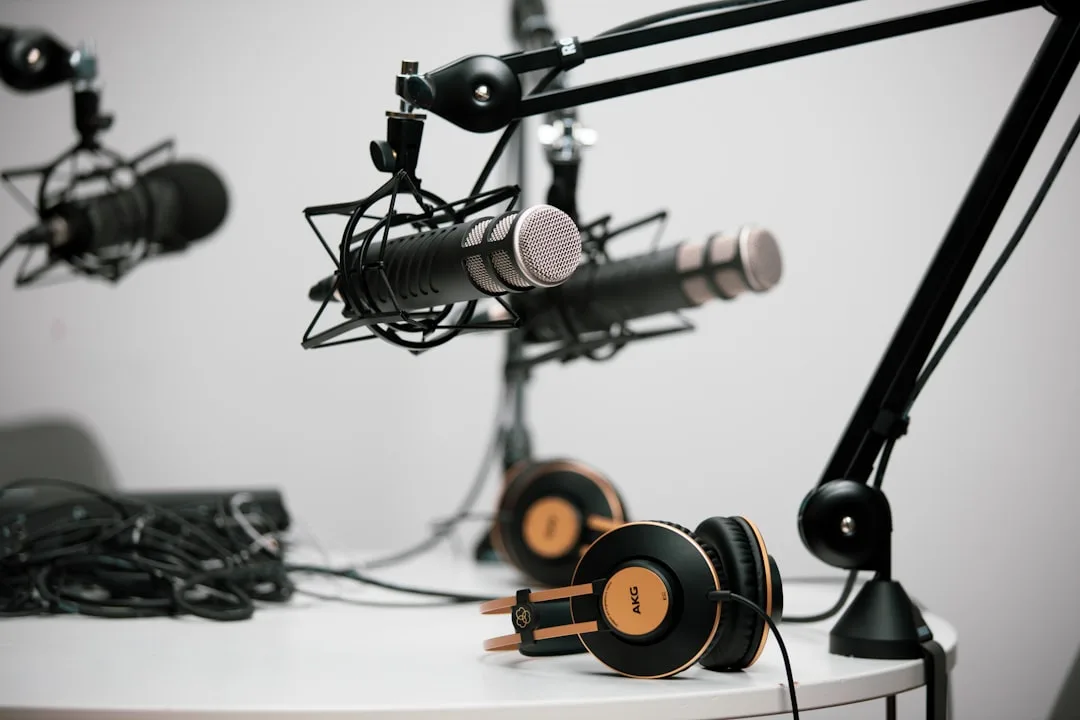
The practical minimum: a separate mic for each speaker, not one mic between them. Each mic recorded to its own track so you can treat it separately. A room with something absorbing sound in it, curtains, rugs, books, rather than the empty one in our story. And a backup recording on a second device, because losing an hour-long conversation can't be recovered.
And test five minutes and listen to them on headphones before you begin. Five minutes reveals what can't be fixed after two hours.
Structure Instead of a Script
Don't write your questions as text to be read. A conversation read off a page sounds read.
Write this instead: three to five themes ordered from general to specific. One key question per theme, one that opens a door rather than closing it. And two backup points per theme to use if the conversation dries up.
The rule is that a key question can't be answered with yes or no. "What was that like?" beats "was it hard?"
And leave the order breakable. If your guest jumps to a later theme early, follow them and don't drag them back. The best moments come from departing from the plan.
And This Isn't the Documentary Interview Article
There's an important distinction worth spelling out.
An interview inside a documentary is a narrative tool. You take two minutes from it and place them where your film needs them, and the subject is a source rather than a partner.
In a podcast, the conversation itself is the product. You don't extract a clip from it, you publish it as it happened.
And that changes how you ask. In documentary you ask to get a line that will cut well. In a podcast you ask to open a path for the conversation to walk down.
Rules While Recording
Don't interrupt, not even with "yes" and "right". Your noises ruin your guest's track when you cut, and they were the first thing that ruined the recording in our story. Nod instead of speaking.
Leave two seconds after every answer. A lot of the best material arrives after silence, when your guest feels they haven't finished.
Ask the follow-up. "Why?" or "how?" after a general answer is what moves a conversation from surface to useful.
And don't be afraid to repeat a question if the answer was vague. "Sorry, I meant specifically…" is entirely acceptable.
What Makes It Watchable and Not Just Listenable
A static shot of two people talking for two hours is hard on the eyes.
The minimum: two cameras at least, or one camera with two different framings. Clips or images shown when something concrete gets mentioned. And on-screen text for names and numbers.
And chapters in the description are essential rather than optional. A podcast audience jumps to the theme they care about.
The Most Common Opening Mistake
Starting with a guest instead of starting with a subject.
Plenty of people ask "who should I have on?" before "what are we talking about?" The result is episodes with no spine, pleasant to record and unwatchable afterwards. Which is exactly what happened to the two hours we opened with.
So reverse the order: decide the question you want answered, then look for whoever answers it better than anyone else.
In Short
Structure, not a script. Audio before picture. Silence after every answer. And subject before guest.
A good podcast isn't a recorded conversation. It's a conversation that had a direction from the start, and was allowed to leave it when it found something better.