
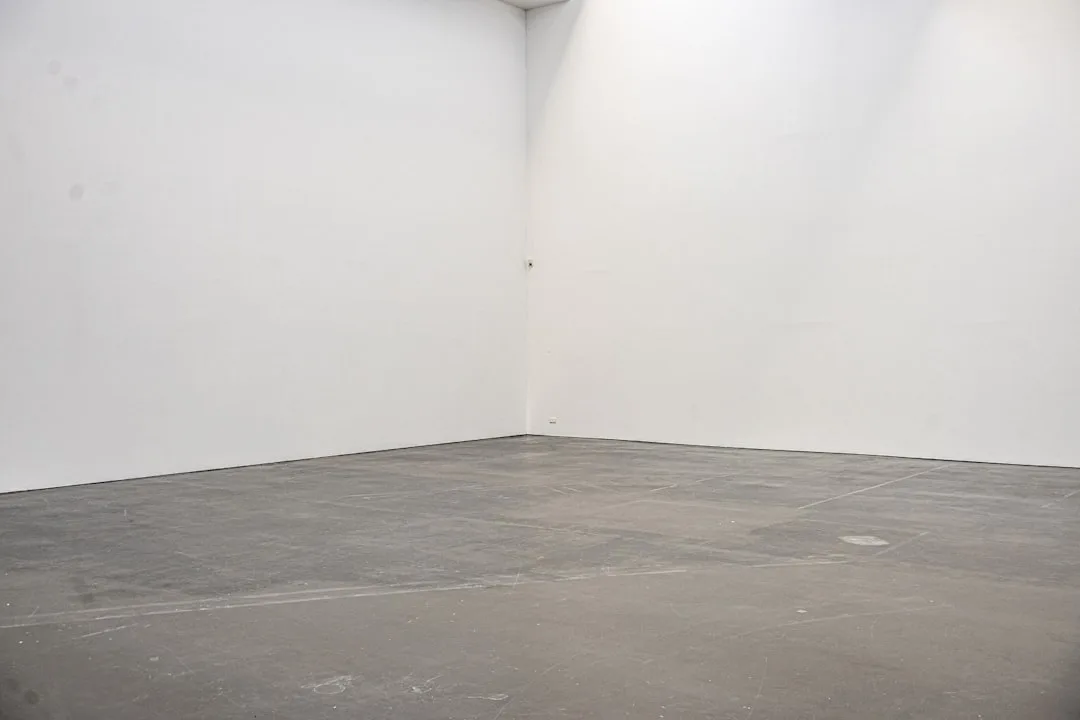
The New Mic That Changed Nothing
Imagine you spent a week reading reviews and comparing models, then paid three times what your old microphone cost. The box arrives. You unpack it, set it up, sit in the same spot you always film in, and hit record.
You say one sentence. Then you play it back.
And it sounds exactly the same. Distant, hollow, like you're talking from the far end of a corridor. Plenty of people find it actually sounds worse than before.
Which brings the question everyone asks at this moment: I paid more, so why did nothing improve?
The answer is simple and a little painful. A better microphone picks up more, and the microphone was never the problem. The room you're sitting in was.
What you hear in your recording isn't your voice alone. It's your voice plus whatever the room does to it. A hard room ruins the most expensive mic on the market, and a quiet room makes a cheap one sound respectable.
So the right spending order starts with the room. The microphone comes after.
What the Room Does to Your Voice
Follow the sound as it leaves your mouth. It goes in every direction, not just towards the mic. Some of it reaches the microphone directly. The rest hits the walls, the ceiling, the floor, the window, bounces back, and arrives at the mic a fraction of a second after the original.
So the mic records two copies of every word you say: one direct, one that came back late.
That is exactly the feeling you know but can't name. A voice that sounds far away and empty, as if you were speaking in a hallway, even with your mouth an inch from the mic.
And the worst part is that it can't be removed afterwards. The reflection isn't a layer sitting on top of your voice that you can lift off. It's mixed into the voice itself. Try to strip it out with software and you take part of your own voice with it, and the result comes out muffled and strange.
A room is treated before you record, or it isn't treated at all.
Clap Once and Listen
There's a test that costs nothing and will tell you about your room in two seconds.
Stand in the middle of it, clap once, hard, then go silent and listen to what follows.
If the sound stops dead, dry, with no tail, you're in a good room. Record there and stop thinking about it.
If you hear a short tail fading away, the room is workable and small improvements will be enough.
If you hear a clear ring or an echo coming back at you, the room is your entire problem, and any mic you buy will record that ring faithfully.
Now do one more thing: repeat the clap in every room in your home, including the ones you'd never consider. Most people discover their best room isn't the one they've been filming in for a year.
The Cheapest Fixes Are the Best Ones
The Clothes Closet
The best recording space in most homes, and it costs nothing.
Hanging clothes absorb reflections from every direction at once, which is precisely what studios pay a great deal of money to achieve. Step in with your mic, pull the door shut, and record.
The only thing stopping people is that it feels ridiculous, not that it doesn't work. Try it once, hear the difference yourself, and you'll stop caring how it looks.
Rugs, Curtains, Furniture
A bare floor is the worst surface in any room, because it faces the ceiling directly and the two throw sound back and forth between them. One rug solves half the problem.
Then heavy curtains over the window instead of open glass. Then a sofa or a bed in the path between your mouth and the wall you're facing.
If you want something portable: a thick blanket over a clothes rail, placed directly behind the mic. It goes up in a minute, comes down in a minute, and costs nothing.
Get Away From the Walls
Don't sit in a corner, and don't put your face or your back against a bare wall an inch away.
The middle beats the corner every time, and a metre from the wall beats twenty centimetres. Corners collect reflections from three surfaces at once, and they're the worst spot in the whole room.
A Small Furnished Room Beats a Big Empty One
Every time, no exceptions.
The wide living room with the high ceiling and the polished floor looks like a wonderful place to film, and it is the worst place in the house to record sound. The small cluttered room you dismissed as too cramped is the one that will give you a clean voice.
And Things That Don't Deserve Your Money
Cheap pyramid foam, the kind you see in photos. It absorbs high frequencies only, so your voice comes out muffled and boomy at the same time. The clothes already hanging in your closet do more, for free.
Egg cartons. An old myth that gets passed from video to video. They do essentially nothing for sound, and they burn frighteningly fast.
And a pricier microphone before you've treated the room. Which is the backwards order this article started with.
After the Room, Get Closer
Once the room is handled, the cheapest improvement left is distance.
The closer your mouth is to the mic, the larger the share of direct voice in the recording and the smaller the share of room. One fist away from your mouth beats an outstretched arm.
Put the mic to the side of your mouth rather than straight in front of it, so your plosives don't burst into it.
Short distance fixes whatever the room has left over, and it costs you nothing at all.
In Short
Clap in every room you have and pick the quietest. Put something on the floor. Put something absorbent behind you. Get closer to the mic.
Do all of that first, then listen to yourself again.
And if something still bothers you after that, then buy a better microphone. It'll be the first time you pay money and actually hear a difference.