
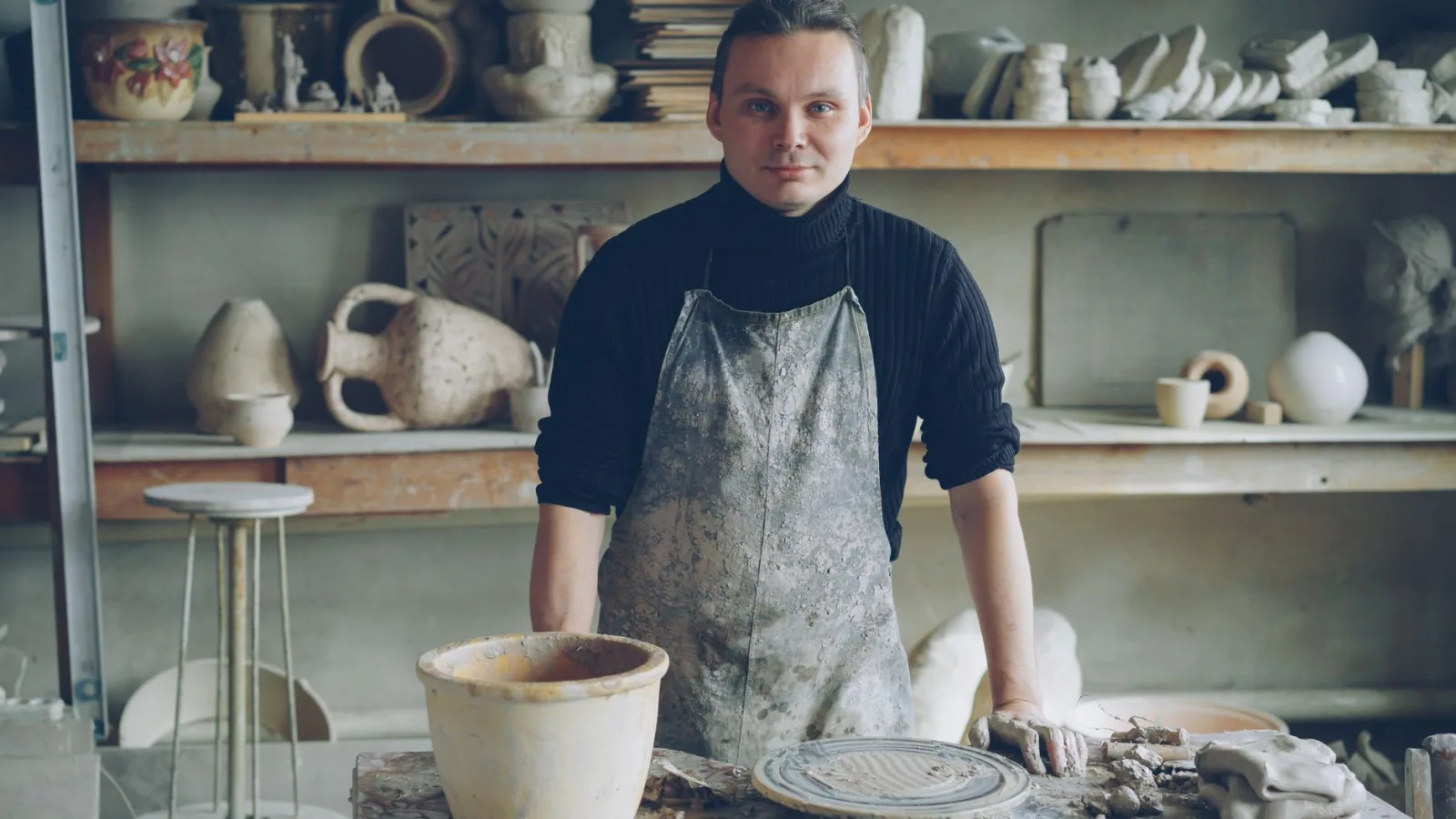
He arrived at the workshop in the morning. He greeted the man, said he was making a film, and asked whether filming was all right. The man said: "go ahead."
He raised the camera in the second minute. And by the third minute the man had become somebody else: back straight, hands slow, every answer three words long. Half an hour later he thanked him and left, and in the car he watched the material and found it dead.
He came back the next day with no camera. He drank tea and sat for an hour talking about everything except the film. And on the third day, after filming the man's hands for ten minutes without asking him anything, the man started telling the story himself, and talked for forty minutes.
The difference was not permission. He had permission on the first day.
Permission is not trust
This is the first confusion to clear. "Go ahead" means he will not stop you. It does not mean he is comfortable, nor that he understood what will happen, nor that he will speak honestly in front of the lens.
And the difference shows in the material immediately: permission gives you shots, trust gives you a film. Somebody filming on permission alone comes home with scenes that are correct and cold.
As for the ethical and legal side of permission itself, and what makes consent real, that is set out in filming other people: how to ask permission and respect their privacy.
The first visit with no camera
This is the cheapest step and the most effective, and most people skip it because time is short. The irony is that it saves time: an hour today with no camera gives you better material than three hours tomorrow.
On that visit do three things: introduce yourself and leave them a way to reach you, ask about their work as somebody interested rather than as a filmmaker, and say when you want to come back and with what. And do not raise your phone to film "for reference", because that undoes everything the visit built.
And if you are somewhere you do not know, whoever introduces you to people shortens this whole stage, which is the role of the local fixer: who opens doors in a place you don't know.
Five things to say before you film
Most of the tension in front of a camera comes from the person not knowing what is happening. So tell them five things in short sentences:
1. Who you are and what you make. Not your biography, one line.
2. Exactly what you want to film. "Your hands while you work, and some talk about the craft." Clarity puts people at ease.
3. How long it will take. People worry about the unknown more than the length. "An hour" is a reassuring sentence; "I don't know" is a tiring one.
4. Where it will be published and who will see it. Name the platform and say the video is public. Do not say "a private video" if it will be published.
5. What they can refuse. This is the most important: "if you tell me to stop at any moment, I stop. And if you tell me to cut something you said, I cut it." That sentence settles people more than everything before it, because it hands control back to them.
How to explain it to somebody who has never been in a video
Many of the finest people you will film have never appeared in a video in their lives, and talk about platforms means nothing to them. Use a comparison from their own world:
- "A video is like a programme on television; anybody can see it."
- "People from other countries might see it."
- "It is not live; I film, then put it together, and publish it weeks later."
And the sentence you never say: "don't worry, nobody will see it." That is a small lie that collapses the moment the video reaches ten thousand people.
Start with their work, not their face
A practical rule that works with everybody you film: film the person doing something they know before you film them talking about themselves.
Hands first. The tool, the materials, the repeated movement they make every day. That occupies them away from the camera, lets their body relax, and gives you excellent material in any case. And after ten minutes of it the camera becomes part of the room, and the talking starts on its own.
The opposite is the repeated mistake: sitting them on a chair facing the lens and asking "tell me about yourself" in the first minute.
Four phrases that open and four that close
Open:
- "Teach me how you do this."
- "What is the hardest part of your work?"
- "Tell me about a day that did not go the way you wanted."
- Silence. Stay quiet for three seconds after they finish, because the best sentences arrive in that gap.
Close:
- "Are you happy in your work?" A question whose answer is yes.
- "Tell me something about heritage." Large talk gets answered with large talk.
- "Say that again, but look at the camera this time." That kills spontaneity.
- Any question with its answer inside it: "you love this craft, right?"
And if you do not share a language, managing all of this through an interpreter has its own rules, in how to interview someone who doesn't speak your language.
The limit: what you do not film even when allowed
Trust gives you an open door, and not everything behind the door is yours. Four things you do not film even if nobody stops you:
- A moment of weakness or tears they did not prepare for, however affecting the shot.
- Inside their home, without permission separate from the permission to film their work.
- Members of their family, children above all, without their parents' direct permission.
- Something they said in a relaxed moment whose context was private. Ask plainly: "this sentence, do I put it in the video?"
And the larger rule: the person will still be where they are after you have flown home, and what you publish about them stays with them among their neighbours. That consideration alone settles most cases.
Family, home and children
If filming moves from the workshop to the home, treat it as a new situation needing new permission. Ask about three things: who in the house does not want to appear, which rooms not to film, and whether filming children is acceptable. And children have an entirely different rule: permission from the father or mother directly, not from whoever is accompanying you.
Money and gifts
This confuses many people, and it has three principles.
Do not pay for words. Paying somebody to say something ruins your material and makes it dishonest.
Paying for time or lost work is acceptable. If you have stopped a man working for three hours, compensating that time is ordinary, and say so clearly in advance.
Local custom decides. Ask somebody who knows the place before you decide, because a gift honours in one place and embarrasses in another.
Show them the result before publishing
Not to get their approval on the edit, because the creative decision is yours. For two other reasons:
To correct a factual mistake. A name, a date, or a detail of their craft you misunderstood. Those corrections protect you from an awkward comment.
To reassure them. Most people worry about how they will come across, and watching two minutes ends that worry.
And tell them the limits of this from the start: "I will show you before publishing, and if there is a mistake I will fix it."
After publishing: three things to always do
- Send them the link before it reaches them from somebody else.
- Credit them the way they want. Ask: "what name should I write?"
- Answer people's questions about them honestly. You are now responsible for a portrait you drew of somebody who does not read your comments.
And if you filmed one day and did not publish, tell them. A person who gave you their time and waited three months and never learned what happened will tell whoever comes after you: do not trust these people.
In short
The camera comes third: first you sit down, then you explain plainly what will happen and what they can refuse, then you film their hands before their face. And the hour you spend before raising the camera is the difference between correct shots and a film with a human being in it.