
He travelled to seven countries in three years, and came back from each with a film. In a month when he could not travel, he sat down to think about a film on the city he has lived in since he was born.
After an hour of thinking he wrote three words in his notes: there is nothing.
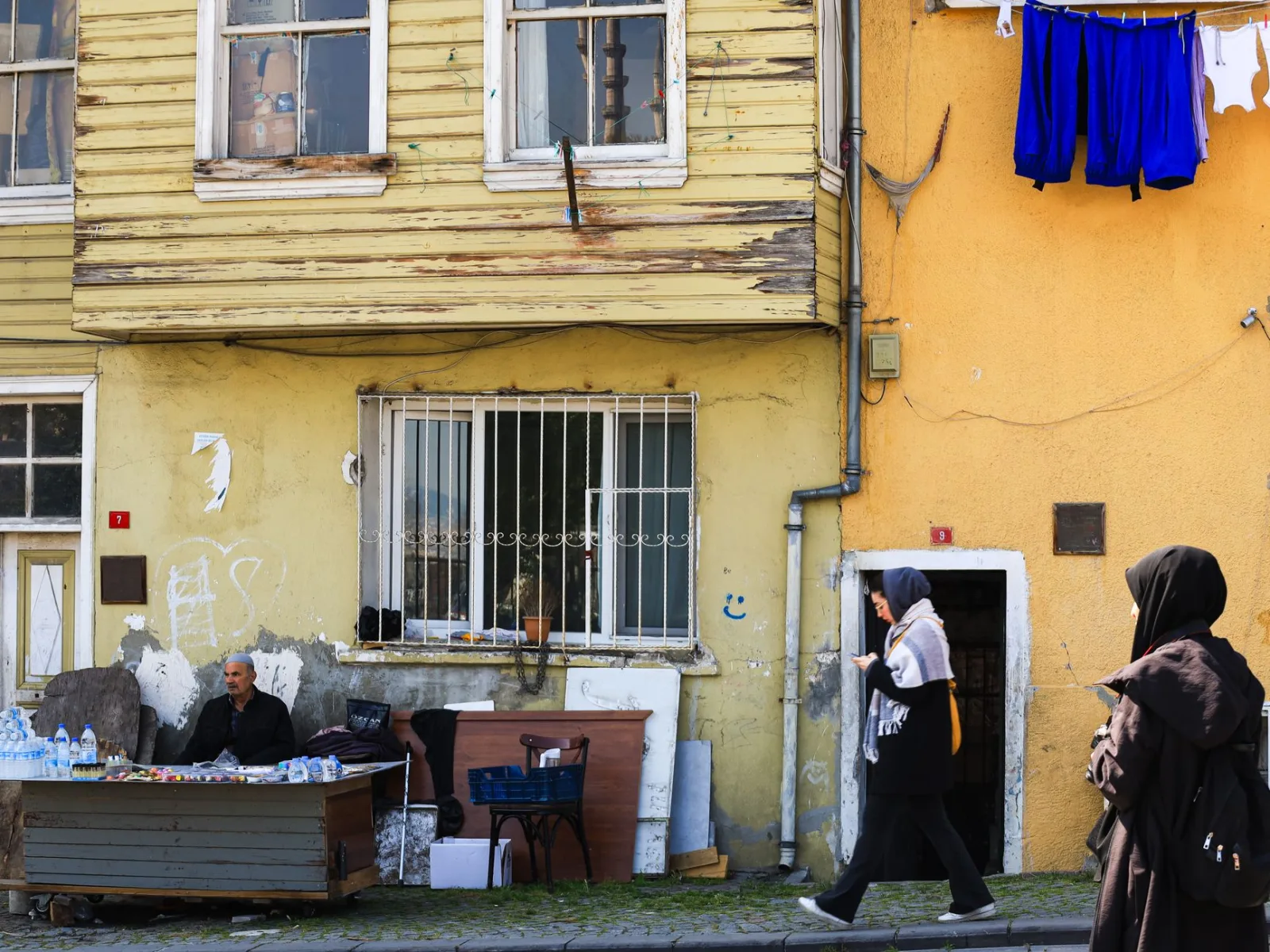
His city has a market a century old, a man who repairs watches in a shop that has not changed, and a whole quarter due to be demolished next year. All of it passes beside him every day, and he does not see it.
The irony is that any foreign filmmaker arriving in his city would come away with a film in a week. Not because he is more skilled, but because he does not know the place, and here ignorance is an advantage.
Why the nearest is hardest
Three reasons, all of them real rather than merely psychological:
Familiarity switches off attention. Your mind compresses what it sees every day into a word: street, market, neighbour. The traveller sees the details because his mind has not compressed them yet.
You know more than you need. So you lose the ability to explain, and assume everything you know is obvious to everybody. This is the reason most dull local films are dull: they talk to people who already know.
The social cost is present. Travelling, you film and leave. In your own city you will meet the person you filmed at the bakery tomorrow, and his mother will read the comments. That makes your hand shake without you noticing.
And no deadline presses you. A trip has a return ticket that makes you film. Your city is always available, and what is always available is always postponed.
Four ways to see what you are used to
1. The stranger's walk. Choose a route you never walk, at an hour you never go out: the market at six in the morning, or your neighbourhood at eleven at night. Walk for an hour with no camera and a sheet of paper, and write down everything that catches your eye, however small. An unfamiliar hour and place are enough to restart your attention.
2. The visitor's question. Imagine a friend from another country arrived today and asked you ten questions about your city. Write them down, then mark the ones you cannot answer. The film is in the questions you could not answer, not in the ones you know.
3. The thing that is ending. What existed in your childhood and has become rare? A craft, a market, a café, a way of working. Things that are ending make films, because there is a clock running inside them.
4. The one-street rule. Do not make a film about your city, which is a subject with no edges. Make a film about a street, or a shop, or a man. The city appears in the detail, and never in an attempt to cover it.
All of this is a search for a specific story rather than a general subject, whose two conditions are in How Do You Find a Story Worth Making a Documentary About?.
The advantage no traveller has
The filmmaker who came from far away has seven days. You have seven months if you want them. That advantage opens what never opens for him:
- Stories needing repeated visits. Filming the man in winter and in summer, or waiting for something that happens once a year.
- Trust built by time. People tell somebody they see every week what they never tell a stranger who films and flies home. How that trust is built is in How do you build trust with the person you are filming?.
- Language and context. You get the joke, you know who to ask about what, and you can tell what is said from what is meant.
- Reshooting at no cost. A shot that came out badly is redone tomorrow, not on a second trip.
- And you are your own local fixer. The role travellers go looking for, set out in The Local Fixer: Who Opens Doors in a Place You Don't Know, you hold for free in your own city.
The social cost: weigh it before publishing
This is the real ethical difference between filming here and filming there: you stay.
Four rules that protect you and protect people:
- Do not make your neighbour into a joke. The funny shot that brings views may bring him a week of embarrassment among the people who know him.
- Show him the cut before publishing. In your own city this is not a courtesy but protection for a continuing relationship.
- Think about the comments. They will be read by people from the place rather than by strangers. Ask yourself: is there anything under this video that hurts somebody I know?
- Permission at home is full permission. Being close to people is not their consent, and the rules are the same as in Filming Other People: How to Ask Permission and Respect Their Privacy.
And do not assume your own country has no rules
Most people stopped while filming are stopped in their own city, because they went out unprepared on the grounds that they are at home.
The rules exist here as they do there: malls, stations and facilities that require permission, and places that are off limits. What you need to know is in Filming in Public Places: What to Know Before You Go.
The useful part is that you can ask for permission in advance without rushing, since you are not flying tomorrow.
A six-week plan with no travel
| Week | The work |
|---|---|
| 1 | Three stranger's walks at three different times, and a list of notes |
| 2 | Pick one specific subject: a street, a shop or a person |
| 3 | Two visits with no camera: introducing yourself, asking, requesting permission |
| 4 | Filming in two short sessions rather than a full day |
| 5 | Filling gaps: missing shots or a question you forgot |
| 6 | Editing and publishing |
Note that all the work sits in scattered slots, and that is the advantage of a nearby place: you do not need an empty week, only two hours across six weeks.
And the last trap
That the film becomes a love letter to the city. The city needs no praise, and the viewer does not believe it. What makes the film is one honest detail: a man opening his shop at six, or a wall carrying three layers of paint, or a disagreement between two generations over something small.
The city you know gives you that detail if you look at it the way you look at a place you arrived in an hour ago. And the pre-travel research that works for your own city too is in What to Know About a Place Before You Travel to Film There.